Drawing Prompts From Your Workspace: Sketching the Tools You Touch Daily
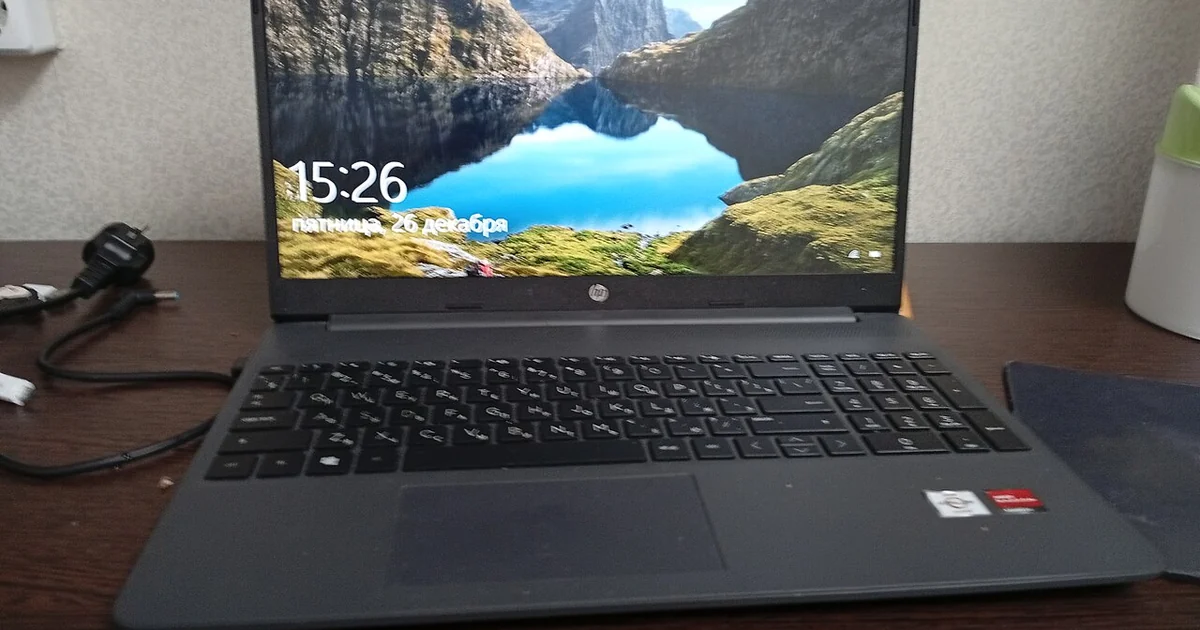
Most artists and visual thinkers keep a sketchbook but struggle to decide what to draw when they sit down. The blank page asks too much. A useful alternative is to look at the room you already work in. The pens, cables, notebooks, mugs, and screens around you are familiar enough to draw without effort, yet varied enough in shape, material, and wear to keep practice interesting. This article describes a method for building drawing prompts from your own workspace, with a few questions to sharpen each sketch and a checklist for reviewing what you produce. MySketchpad is a private whiteboard for sketches, diagrams, and product planning, and the same method works on any surface you use to think visually.
Why Workspace Objects Make Strong Prompts
A good prompt removes the decision about what to draw without removing the challenge of how to draw it. Objects you handle every day meet that standard. You already know their proportions in an approximate way, so you can spend attention on line weight, perspective, and composition rather than on recognition. At the same time, you rarely look at them closely. A stapler or a power strip has details you have stopped seeing, and drawing forces you to see them again.
This works well for visual thinkers because it connects observation to planning. When you draw a mug, you are making decisions about how to indicate a curved surface, where to place the highlight, and how much of the handle to show. Those same decisions appear when you sketch a product, a layout, or a diagram. Practicing on familiar objects builds the habit of asking structural questions before committing ink.
A Method for Turning Objects Into Prompts
Start by choosing one object and writing a single sentence describing its function. A pair of scissors cuts; a laptop stand lifts; a coiled cable carries power. The function gives the drawing a purpose, which helps you decide what to emphasize. A cable drawn to show how it bends is a different exercise from a cable drawn to show how it connects two ports.
Next, set a constraint. Limit yourself to three minutes, or to only contour lines, or to a single value of gray. Constraints keep the session short enough to finish and make the result easier to compare with later attempts. Then draw the object from one viewpoint. Resist the urge to draw it from memory until you have made at least one observational sketch, because memory tends to flatten details into symbols.
Finish by writing one observation about what the drawing revealed. Perhaps the handle sits lower than you assumed, or the shadow falls in an unexpected direction. Keep these notes in the same book or board as the sketch. Over several weeks, the notes become a record of your visual habits and blind spots.
Questions to Ask Before You Draw
A few questions improve most workspace sketches. What is the object's most important edge or outline? Where does light hit it, and where does it fall off? What would someone need to recognize this object if they had only a second to look? Which part of it do I usually ignore?
You can also use the object to test a planning question. If you are designing a product, sketch a similar everyday tool and note what its grip, weight distribution, or opening mechanism communicates. If you are laying out a page, sketch the arrangement of items on your desk and consider why certain things sit near your hand and others do not. These exercises train you to read how objects are organized in space, which carries over into diagrams and wireframes.
A Practical Checklist for Reviewing Your Sketches
Review each workspace sketch against a short list. First, does the drawing show the object's primary function or only its outline? Second, did you use the constraint you set, and did it change the result in a useful way? Third, is there one area that looks rushed, and what would slowing down there reveal? Fourth, does your written observation match what you see on the page?
Compare sketches made a week apart. Look for repeated choices, such as always beginning with the largest shape or always leaving out shadows. Repetition is not a flaw, but recognizing it lets you decide whether to keep the habit or challenge it. You can also place two sketches of the same object side by side and ask which one better communicates its use. The answer usually points to a principle worth applying in larger work.
Finally, pick one sketch per month to develop further. Add detail, redraw it at a different scale, or turn it into a simple diagram that explains how the object works. This closes the loop between casual practice and purposeful visual thinking, and it gives your workspace sketches a clear place in a longer creative process.